The Agentic Commerce Engine.
Amplify e-commerce into high-converting, immersive experiences by turning everything from live shows to UGC into shoppable, short-form video—building the buying confidence that drives sales and the data backbone for your agentic commerce.

















Social commerce solutions
Products for social commerce
live shopping
Turn traffic into revenue in real time with Live Shopping
More time spent on site
3x
Higher conversions
3x
Move from static, transactional ecommerce to immersive and engaged customer experiences. Add a live and on-demand video player to your website, apps, and social channels that delivers authentic content and boosts sales.
Live Shopping
Shoppable video
Turn browsers into buyers with Shoppable Video
Higher add to cart rate
225%
Uplift on conversions
15%
Transform all your content – social media, live shows, UGC, and campaign material – into easy-to-buy-from, short-form videos. Bring your products to life with content that educates and builds buying confidence.
Shoppable Video
“We’re particularly proud of the way we reuse our social media content on our website. It has proven to be very effective in terms of views, conversion, and sales.”
Mathilde Lacombe
CEO and Cofounder, Aime
Learn from our customers
Selected customer stories
.png)
.png)
Ready to scale your video commerce strategy?
Whether you’re launching your first event or scaling to enterprise level, our experts are ready to build your high-converting video commerce roadmap.
The forecast
Hear about it for real
The most innovative brands are revolutionizing their industries with video commerce. Learn how in The Forecast.

L’ORÉAL: AN INNOVATION MINDSET
The world’s leading beauty company drives both online growth and customer loyalty with video commerce. Learn how an enterprise continues to foster innovation, including insights on how tech is being used to accelerate results.


NET-A-PORTER: HUMANIZING WITH VIDEO COMMERCE
Key Opinion Leader Kay Barron of the ultimate luxury fashion destination shares in-depth knowledge of future consumer demands, how to stay at the forefront, and how video commerce humanizes NET-A-PORTER as a brand.

CURRYS: A TRUE OMNICHANNEL EXPERIENCE
The UK and Ireland’s leading consumer electronics retailer found lasting success as early adopters of Live Shopping and Video Consultation. Learn the mistakes to avoid and tips on building a truly personalized omnichannel experience at scale.
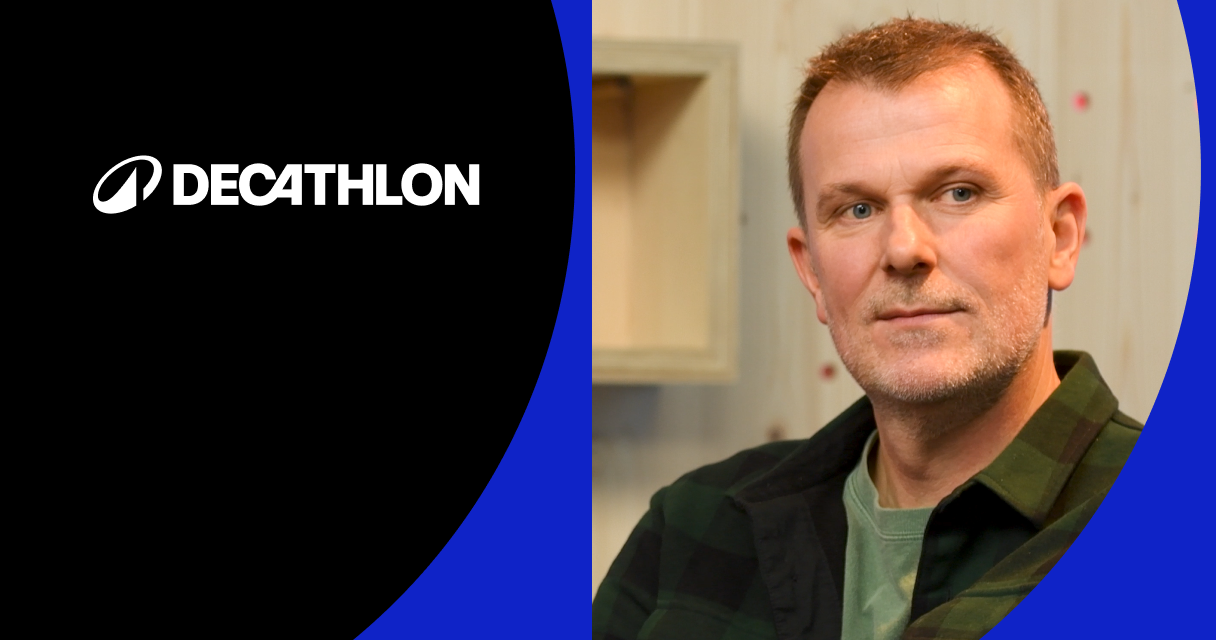
DECATHLON: DIGITAL CLIENTELING FOR 45% CONVERSION
The French sporting goods giant is transforming digital sales through their face-to-face video experience. Learn how they gain market share, maintaining a 45% conversion rate, NPS of 100, and €2,300 AOV while building customer loyalty.

CLARINS: THE SECRET TO DOUBLED REVENUE
With a fierce passion for innovation, the Clarins team put video commerce to work and drastically boosted sales. Learn how they use it to connect to all kinds of consumers, as well as a single trick that doubled their video commerce revenue.

LUXURY PROMISE: BUILDING A VIDEO-FIRST BUSINESS
Operating in the hyper-competitive pre-owned luxury market, Luxury Promise has become an industry leader by building thriving online communities through the power of video. Learn how to build a highly successful video-first business.
integrations
Easily integrate Live Shopping with the tools you already use


Learn more about digital clienteling
Tips & trends
.png)
What is social commerce?
Social commerce is a fantastic fit for any industry. Discover fresh inspiration for your business right here.
.png)
Your Complete Guide to Virtual Commerce
Listen to Bambusers podcast episodes with real client stories on how to use Bambusers products
.png)
Amplify Your Video Commerce Reach with Social Media
The essential purpose of live video chat is to foster relationships with customers.
security
Your data is safe
Every compliance covered to keep you – and your customers – safe and secure.





FAQs
What is Shoppable Video?
.png)

Shoppable Video allows you to make any pre-recorded video on your website interactive and shoppable. Customers can click on products featured in the video and add them to their cart without interrupting their viewing experience.
What is Live Shopping?
Live Shopping (or One-to-Many) is a live, interactive event broadcasted directly from your website. A host presents products to an audience, who can ask questions in a live chat and purchase products without leaving the stream.
How does Bambuser bridge the gap between social media and my website?
Multistreaming allows you to broadcast simultaneously to social channels and your owned site. You capture attention on social platforms like Instagram and TikTok, then funnel that high-intent traffic directly to your website to own the data and the checkout.
Can I make my existing social media content (TikToks/Reels) shoppable?
Yes. Our Shoppable Video solution lets you import UGC, Reels, and TikToks directly into the Bam Hub. You can then add an interactive shopping layer—complete with "Add to Bag" functionality—to repurpose high-performing social content on your PDPs.
Does Social Commerce actually improve conversion rates?
Statistically, yes. Our partners see a 3x higher conversion rate compared to static e-commerce and a 225% increase in add-to-cart rates. By humanizing the digital experience, you turn passive scrollers into confident, active shoppers.
Can viewers buy products without leaving the video player?
Absolutely. Our player features a direct in-player checkout and "Add to Bag" integration. This minimizes friction by allowing customers to explore product details and complete their purchase while the video continues to play.
How do I track the ROI of my social commerce campaigns?
Bambuser provides a robust Analytics Dashboard that tracks engagement depth, add-to-cart clicks, and final sales. With built-in UTM tracking, you can see exactly how your video content influences the entire customer journey in Google Analytics.
How quickly can we get started and see results?
As a SaaS solution, Bambuser is designed for rapid deployment. With our Shopify app and Google Tag Manager integration, you can go live in days—not months—and start seeing an immediate lift in on-site time and engagement.
.png)
